A private commercial real estate practice · Florida
Florida retail, held for the long arc.
Iberic Malls is a private real estate firm that owns and operates a portfolio of neighborhood and community shopping centers across Florida — from Miami to Orlando to the Gulf Coast. We acquire centers with strong fundamentals and commit the years of work required to make each one the dominant retail address in its market.
25° 46′ N80° 11′ WMMXXVI
Royal PlazaRoyal Palm Beach · blue hour
Direct ownership Patient capital & long holds Community retail, done well Tenants as partners Direct ownership Patient capital & long holds Community retail, done well Tenants as partners
The portfolio
Nine centers. One practice.
01 — Portfolio
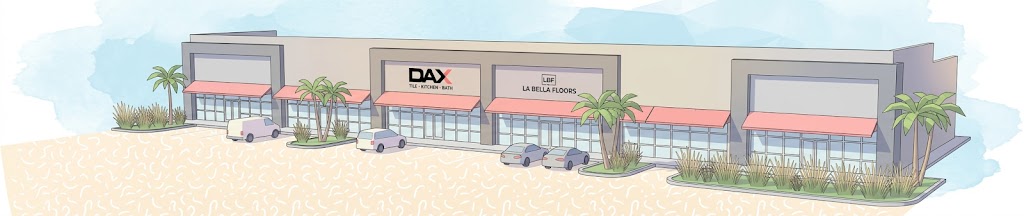
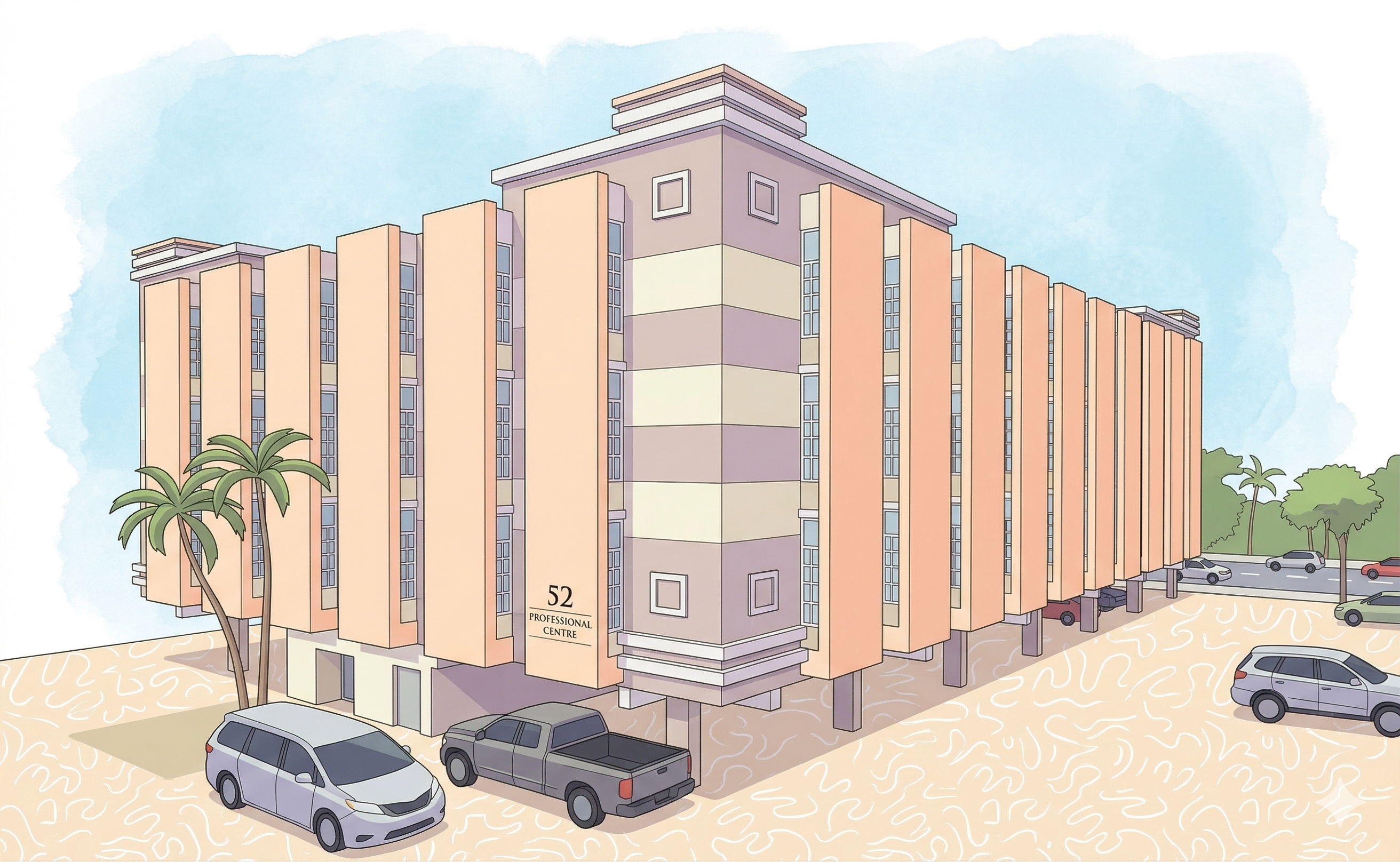
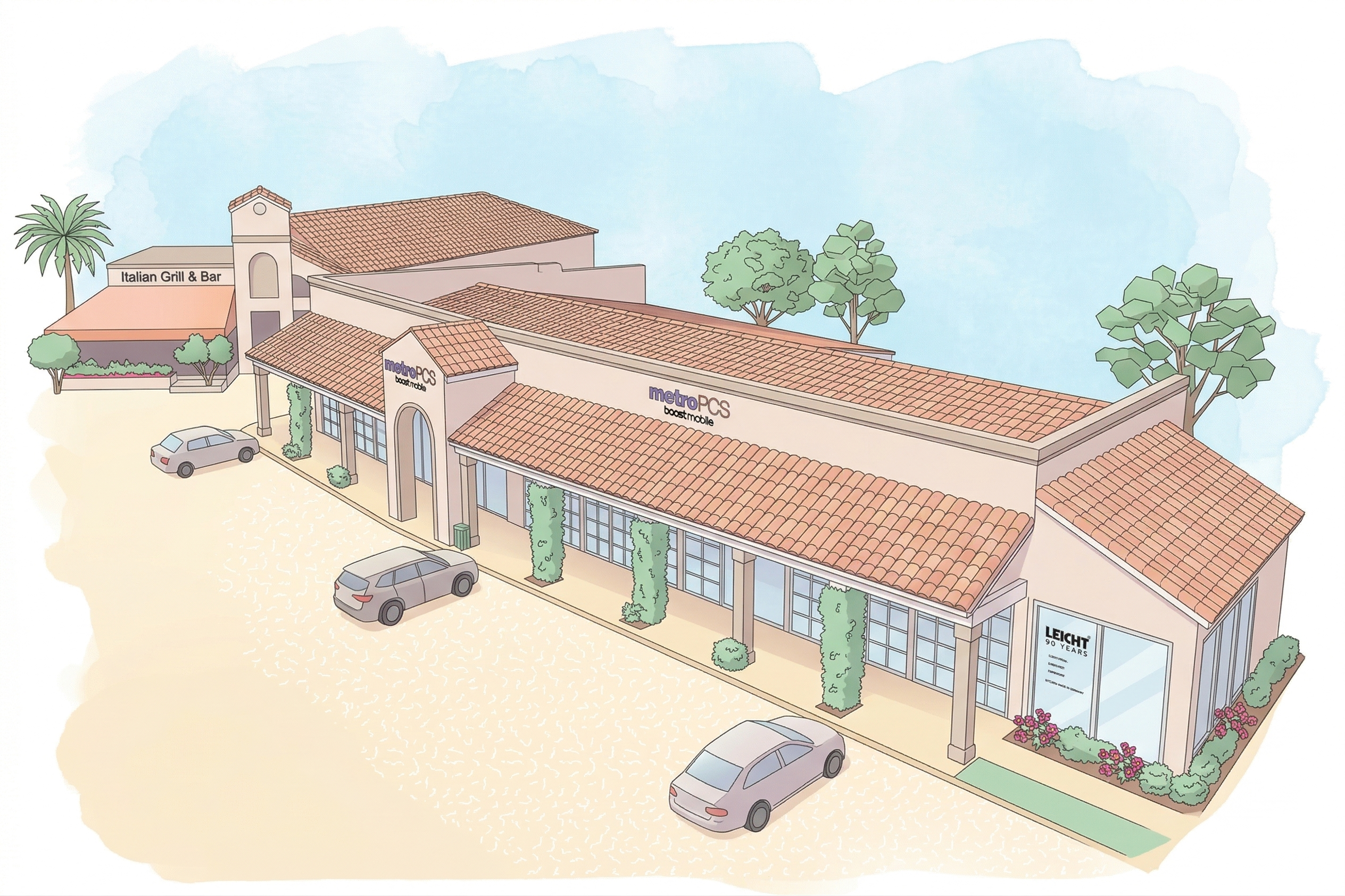
A selection of our centers.
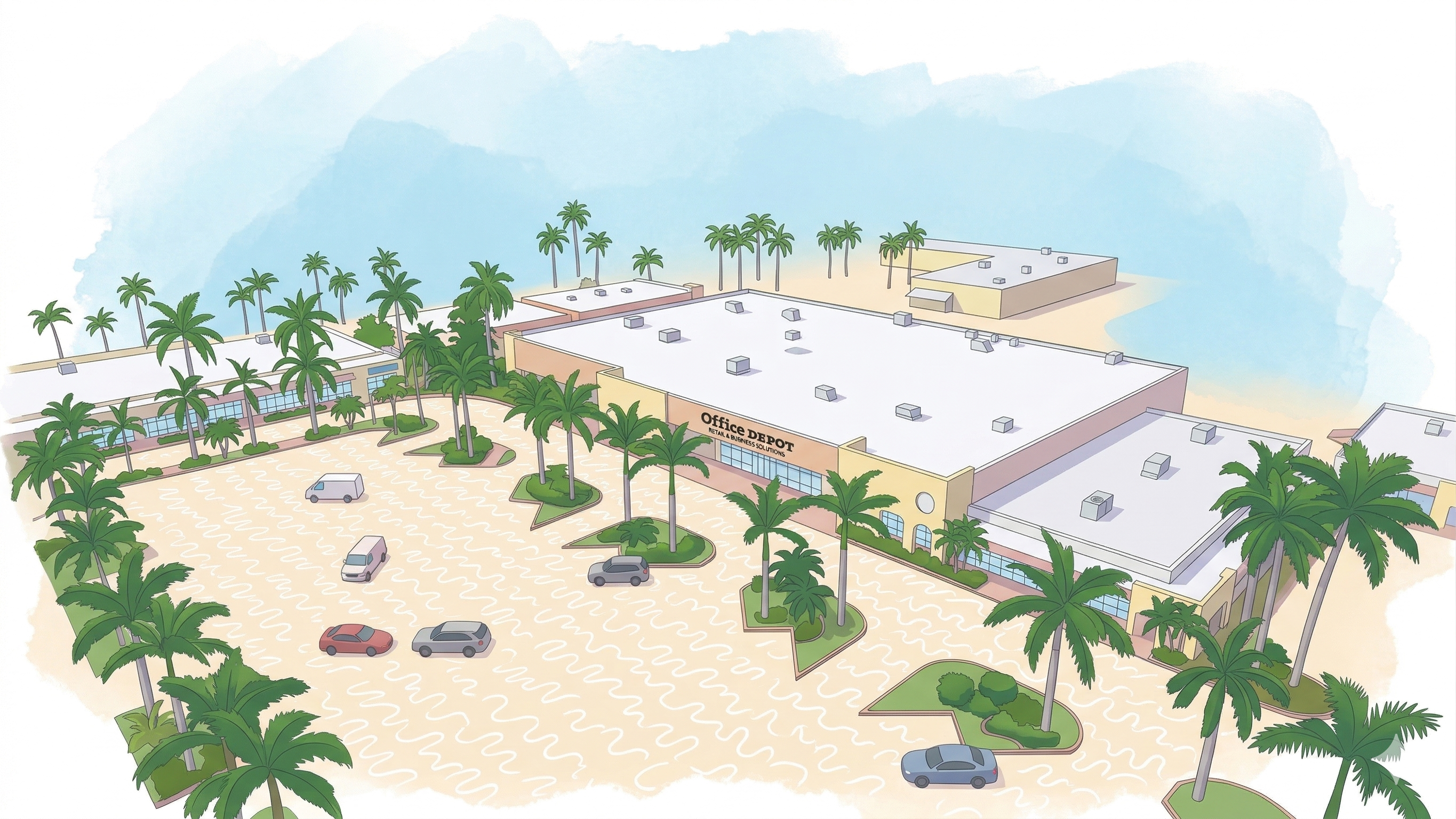
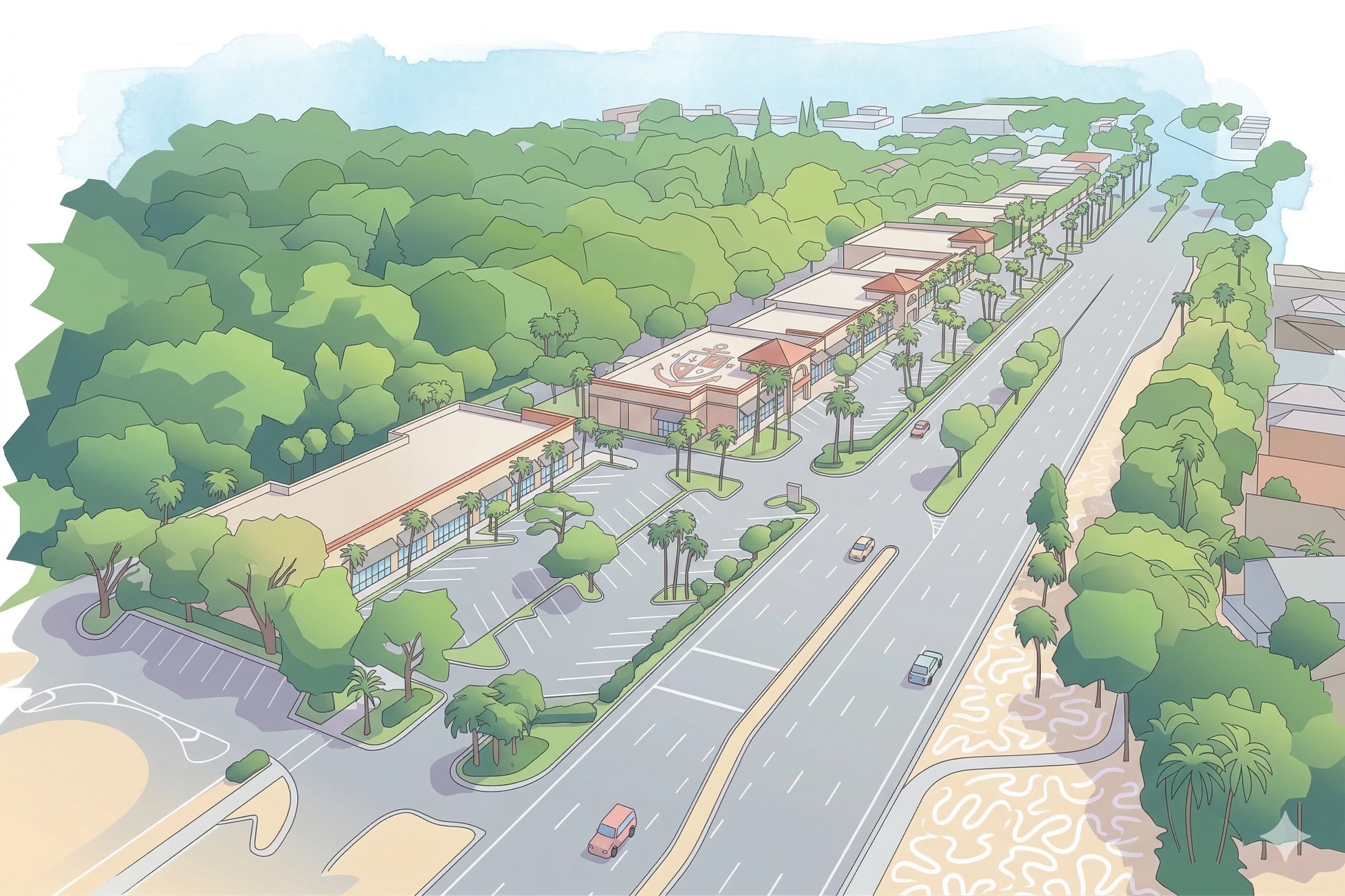
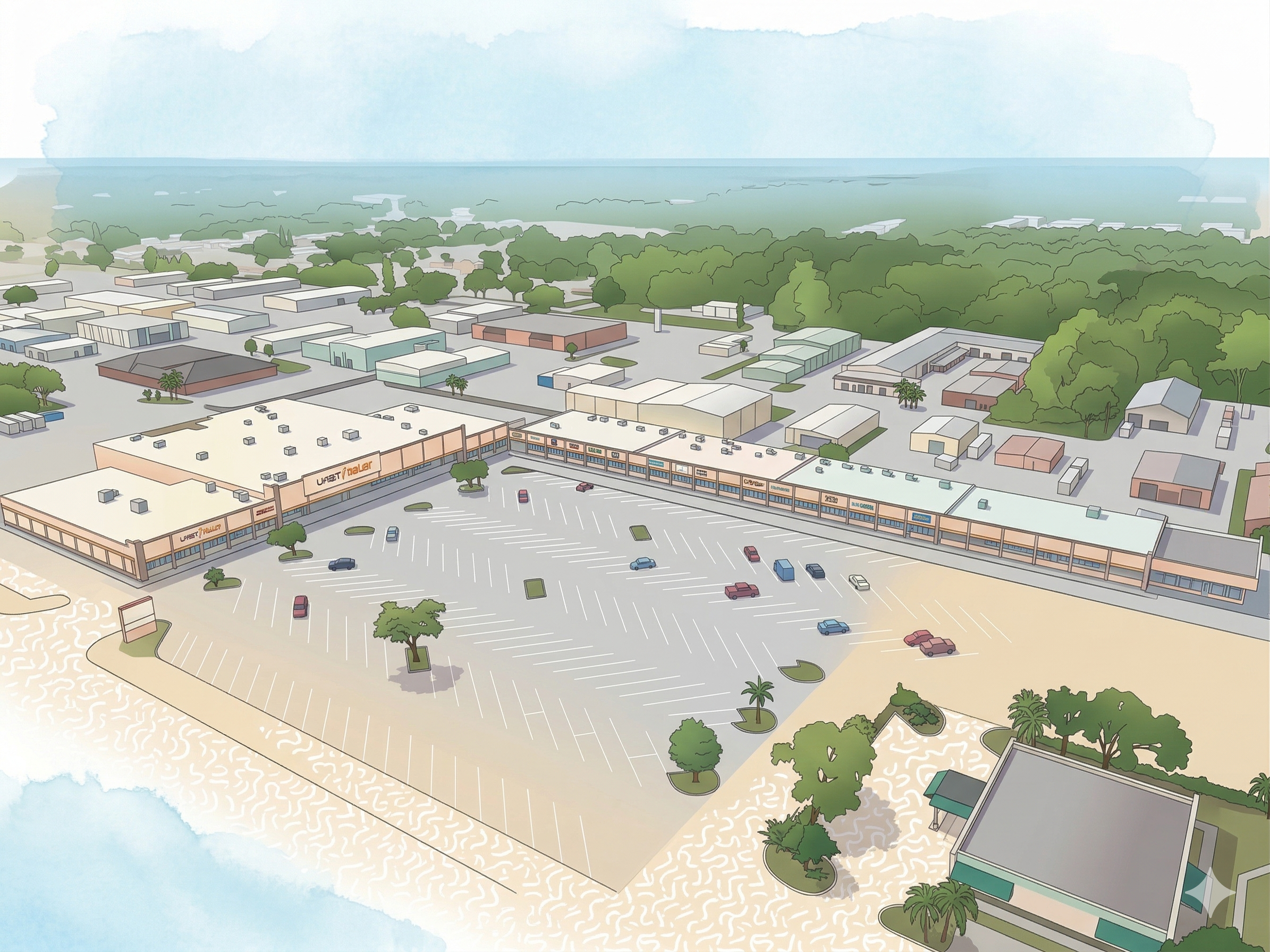
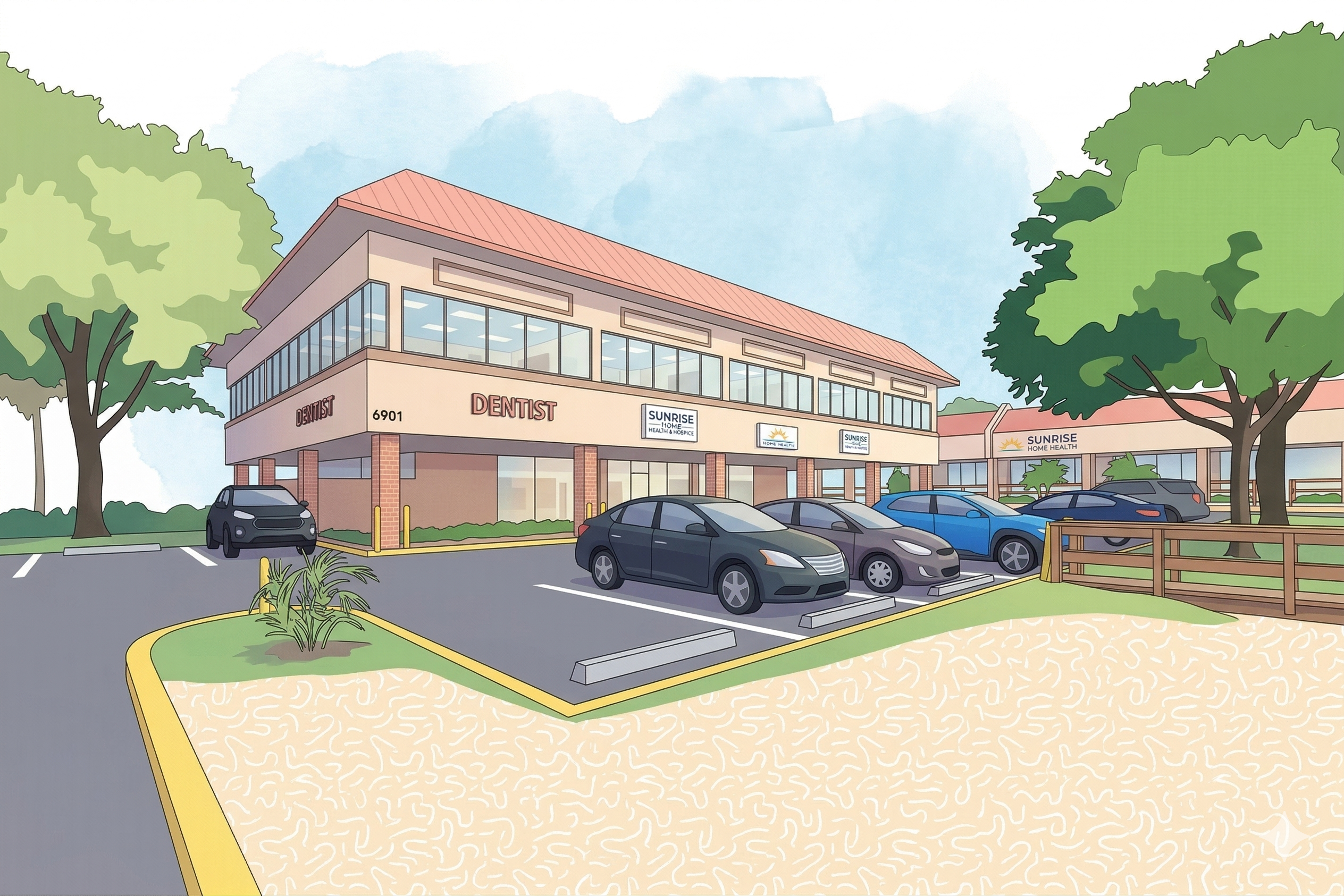
The Iberic portfolio spans Florida's strongest retail corridors — from South Florida to Central Florida to the Gulf Coast. Every asset is held long-term and actively managed in-house. We look for dominant, high-frontage, community-anchored retail in markets we know well.
Every center we acquire, we intend to still own in twenty years.
The practice, in one sentence
I — Horizon
Bought to hold.
We underwrite on a thirty-year horizon. The centers we bought first are still the centers we own. The exit plan, broadly, is not to exit.
II — Control
Direct ownership, direct management.
Every center is owned directly and run by our own leasing, construction, and property-management teams. No third-party managers, no outsourced asset managers, no layers between us and the asset.
III — Tenants
The roster, built deliberately.
We work with strong local and regional operators and build each rent roll around them. The ambition is simple enough: tenants should compete to get in, and the neighborhood should plan its Saturdays around the block.
IV — Intent
The best center in its market.
Every acquisition is a multi-year project. We put in the capital, the leasing work, and the tenant curation needed to make each center the clearest retail choice in its trade area — and we stay long enough to see it through.
V — Capital
Private, by preference.
Iberic is backed by a closed group of long-standing partners. No funds, no outside investors, no quarterly calls — which is precisely what lets us underwrite in decades rather than quarters.
Leasable area
0·sf
Across neighborhood and community retail centers in Florida.
Footprint
0·ac
Of directly-owned land across the portfolio.
Continents
0.
Real estate experience grounding the Florida practice.
Founded
0.
Acquired center by center since day one.
03 — Centers
The full Iberic portfolio.
Every shopping center we own, from the flagship on Royal Palm Beach Boulevard to the covered plaza on State Road 7. Leasing plans and current availabilities are shared directly with qualified operators.
The firm stays small on purpose. Every leasing, construction, and analysis decision is made by people who have been doing this for a long time — and who are backed by an underwriting toolkit most small private owners simply do not have.
I — People
Long-tenured, quietly senior.
Leasing, construction, compliance, and accounting are run by people who have spent years — in several cases, decades — inside this portfolio. Institutional memory is an underrated advantage in community retail.
II — Underwriting
Data that most private owners never touch.
Every acquisition and every material renewal is run through a proprietary underwriting model: granular trade-area demographics, mobility and foot-traffic data, tenant-sales benchmarking, and a decades-long view on comparable centers. The quiet edge.
III — Reach
Real estate experience across three continents.
The Florida practice is grounded in real estate work across Europe, Latin America, and the United States. Different markets, different cycles, same lessons — most of them about what not to do.
IV — Craft
The details most landlords skip.
Our own crew walks every property every day. Landscaping, signage, lighting, parking stripes, tenant storefronts — the small things that quietly decide whether a center feels taken care of or tired. We decided long ago that they were not small.
05 — Intelligence
The instruments behind the real estate.
Community retail lives or dies by trade-area accuracy. Over two decades we have refined a small, disciplined set of analytic instruments — GIS, mobile-signal foot traffic, co-tenancy algorithms, submarket indices — and we run every acquisition, every renewal, and every capital decision through them.
IGIS · Isochrones
Trade Area Intelligence.
Every center is mapped against five- and ten-minute drive-time isochrones, then layered with block-group demographics — household income, age distribution, ethnicity mix, daytime population, owner-occupancy. Competing supply is plotted on top. The result is a single honest view of what the trade area can actually absorb, and where the gaps are.
EngineInternal GIS · Census TIGER · HERE
IIFoot Traffic · Mobile Signal
Visitor Analytics.
Anonymized mobile-device signals let us trace how shoppers actually move through each center. Visit frequency, dwell time, weekday and weekend patterns, cross-shop behavior between tenants — and, most usefully, which competing centers our customers also visit, and how often. What the rent roll hides, the phones reveal.
IndexPlacer.ai · SafeGraph · internal
IIIAlgorithmic Co-Tenancy
Tenant Fit Modeling.
A tenant is never evaluated in isolation. Every prospective lease is scored against the rest of the center through a co-tenancy model: category gap, adjacency fit, customer overlap, and the likely uplift — or cannibalization — against existing tenants. The algorithm surfaces the fits that compound and flags the ones that don't.
ModelProprietary · NAICS taxonomy
IVSubmarket Signals
Market Signals.
Lease velocity, renewal spreads, rent trajectory, new-supply pipeline, cap-rate drift — tracked continuously across every Florida submarket we operate in. The index tells us when to lean in, when to hold, and when the trade area itself is telling us something the operating numbers haven't caught up to yet.
IndexCoStar · Reis · internal series
06 — Journal
Field notes from the portfolio.
Occasional writing on community retail, trade-area analysis, tenant curation, and the quiet work of keeping a center in good shape. Published when there is something worth saying — not before.
Leasing, tenant relations, construction, and acquisitions are all handled in-house. Write to the office — it gets to the right desk, and the right desk writes back.
SMS is available for leasing, tenant and client operations, and vendor procurement only after recorded verbal consent during a phone call or in-person conversation. Before the first outbound text, Iberic Malls staff identifies the applicable category and specific matter, reads the disclosure in the SMS Terms, explains the message content, frequency, rates, HELP and STOP instructions, and Terms and Privacy links; confirms the mobile number; obtains a clear yes or no; records the response; and confirms enrollment. An inbound text, provision of a phone number, listing inquiry, or existing business relationship does not by itself provide SMS consent. Consent is category- and subject-specific. We do not send marketing or promotional broadcasts through this program.
Message frequency varies, typically 2–10 messages per inquiry or request and up to 10 messages per month for ongoing tenant, account, or vendor matters. Message and data rates may apply. SMS consent is optional and is not a condition of leasing, receiving tenant services, or doing business. Reply STOP to opt out or HELP for help.
SMS Terms · Privacy Policy.